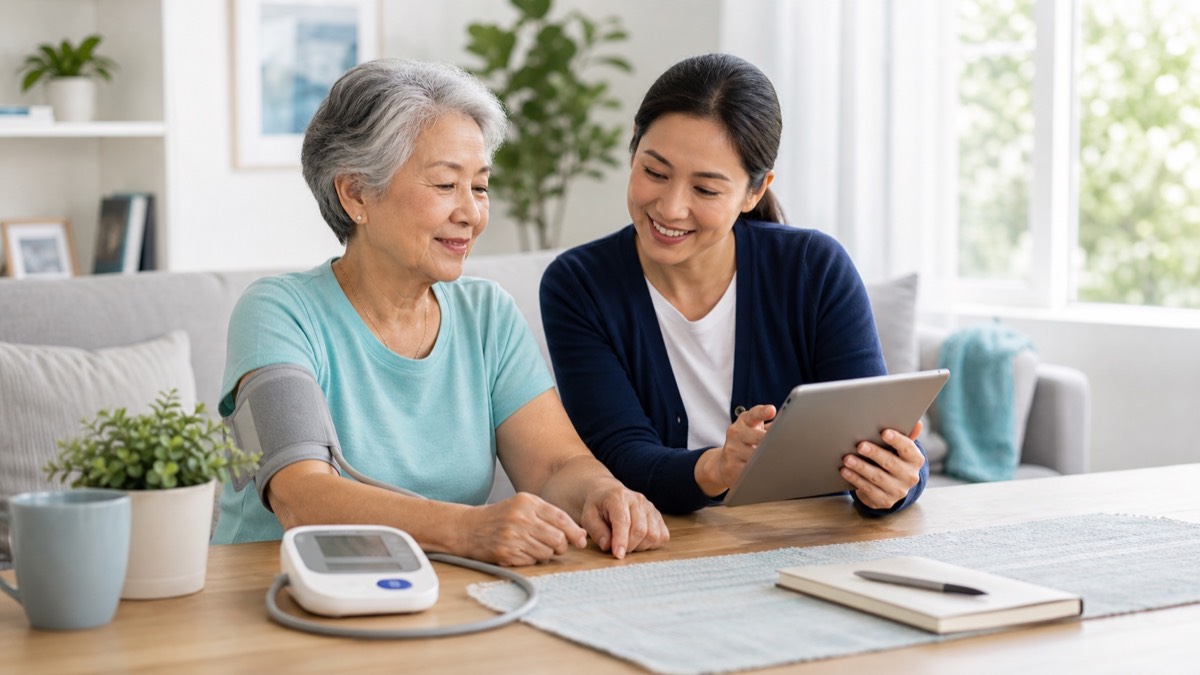
Digital Health Monitoring for Seniors: Simple Tools Before Complex Platforms
Digital health monitoring for seniors should start with usability, not complexity. A platform can be powerful, but if the person at home cannot read the screen, place the cuff, remember the routine, or share the results, the technology will not do the job.
For seniors, caregivers, and care teams, the best monitoring system is often the one that removes small points of friction. A simple blood pressure monitor, a large display, clear instructions, and a predictable routine may accomplish more than a feature-heavy setup that nobody wants to use.
Why simplicity matters for seniors
Many seniors manage several care instructions at once. They may track medications, appointments, symptoms, diet changes, mobility concerns, and family support. Adding home monitoring should make care more visible, not more stressful.
Medtrone’s guide to digital health monitoring for seniors explains why design and workflow are central to adoption. Seniors do not need to be impressed by technology. They need to feel confident using it.
Start with the health question
Before choosing a platform, define the monitoring question. Is the goal to help a senior track blood pressure before a follow-up visit? Is a caregiver helping organize readings? Is a clinic reviewing trends as part of a remote monitoring program? The answer determines the tool.
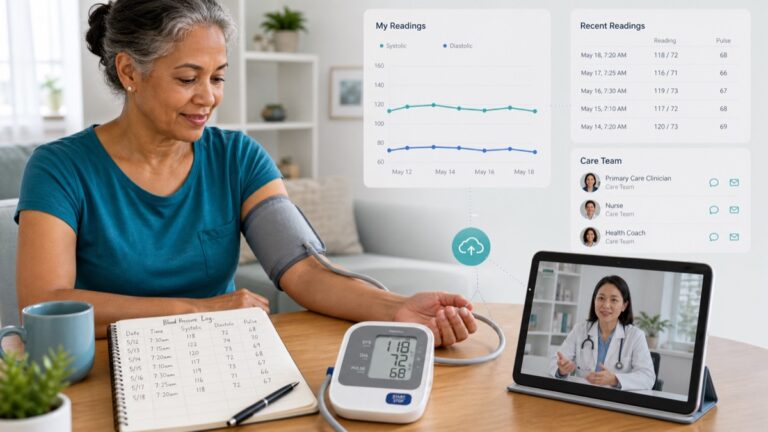
For blood pressure, a home routine can begin with an upper arm monitor, a log, and a care team instruction sheet. The CDC advises people to talk with their health care team about measuring blood pressure at home and to use proper technique when doing so.
Senior-friendly monitor features
A senior-friendly blood pressure routine should minimize guesswork. Helpful features may include a large display, simple one-button operation, memory storage, voice guidance if needed, and a cuff that is easy to wrap correctly.
- Large, readable numbers
- Simple controls
- Cuff fit appropriate for the user’s arm
- Clear start and stop cues
- Memory storage or easy logging
- Caregiver-friendly instructions
ZYBS Medical Group has a consumer page focused on an easy blood pressure monitor for seniors, which fits naturally into this kind of simple-first approach.
Where caregivers fit
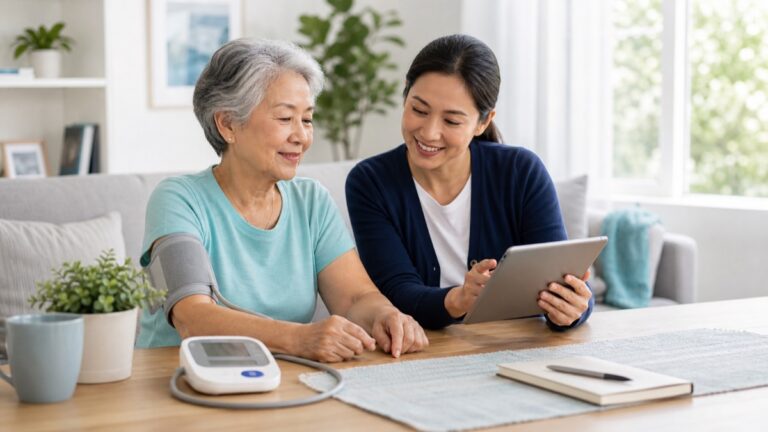
Caregivers often make monitoring sustainable. They can help confirm the cuff is on bare skin, the arm is supported, the person is seated quietly, and readings are written down. They can also help bring the log to appointments or share it through a patient portal when instructed.
The caregiver should not be asked to interpret every number alone. The better role is to support the routine and help the senior communicate with the care team.
When digital tools add value
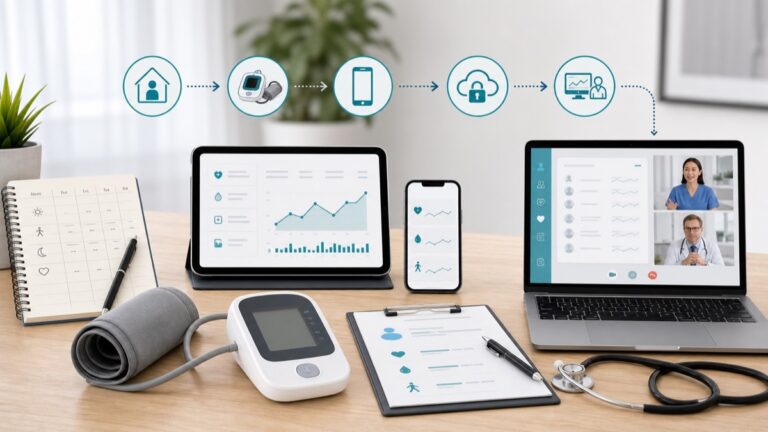
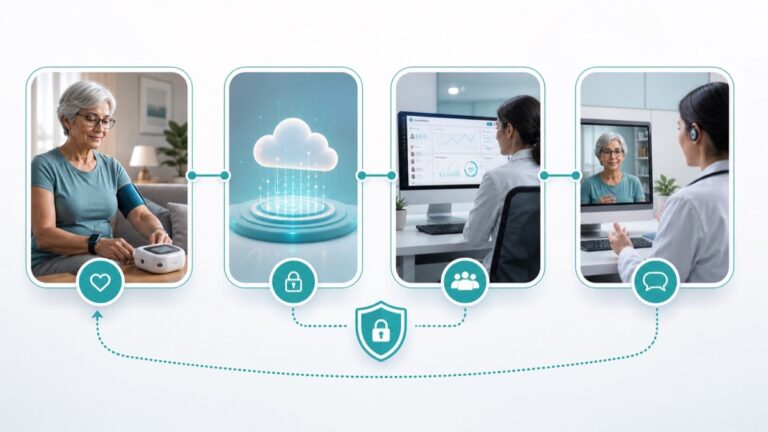
Digital tools add value when they reduce missed readings, make trends easier to review, or help a care team identify when follow-up is needed. Medtrone’s digital health monitoring pillar page covers how these tools fit into modern care.
The FDA describes digital health broadly, including mobile health, health IT, wearable devices, telehealth, telemedicine, and personalized medicine. For seniors, that broad category should be filtered through one question: will this make daily care easier?
FAQ
Do seniors need a connected blood pressure monitor?
Not always. Some seniors do well with a simple monitor and written log. Connected features are helpful only when they support the care plan and the user can manage them comfortably.
What monitor type is commonly recommended for home blood pressure monitoring?
The American Heart Association recommends an automatic, cuff-style upper arm monitor for home use.
How can caregivers help without taking over?
They can help with setup, reminders, logging, and sharing readings while encouraging the senior to stay involved in the routine when possible.
Can digital health tools diagnose hypertension?
No. Diagnosis should be made by a qualified health professional using appropriate clinical evaluation.
Sources and further reading
- CDC: Measuring Your Blood Pressure
- American Heart Association: Home Blood Pressure Monitoring
- MedlinePlus: High Blood Pressure
- FDA: What Is Digital Health?
Next step
For families building a senior-friendly routine, start with a monitor the senior can understand, a written plan from the clinician, and a log that is easy to keep.
Medical disclaimer: This article is for education only and is not a diagnosis, treatment plan, or substitute for care from a licensed health professional.