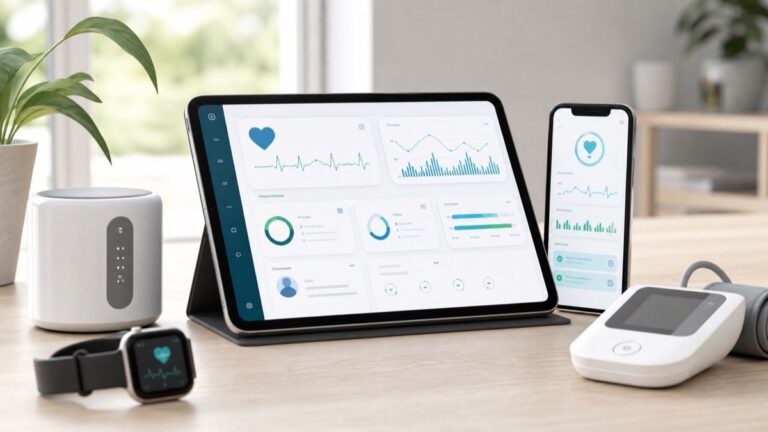
Patient Onboarding Checklist for Home Blood Pressure Monitoring
Good onboarding prevents weak home monitoring data. Patients need more than a device. They need a routine, a log, clear expectations, and a way to ask questions when something is confusing.
This checklist is designed for clinics, caregivers, and health technology teams supporting home blood pressure monitoring.
1. Confirm the purpose
Explain why the patient is being asked to measure at home. The purpose may be to support a follow-up visit, build a clearer pattern, or participate in a remote monitoring workflow. The patient should understand that home readings support care conversations and do not replace medical evaluation.
2. Confirm the device
Check that the patient has a usable monitor, appropriate cuff size, readable display, and basic understanding of how the device works. The American Heart Association recommends an automatic cuff-style upper arm monitor for home use.
For consumer education, ZYBS Medical Group’s home blood pressure monitor page can help patients understand what they are using.
3. Teach the measurement routine
Use the CDC’s core technique reminders: rest before measuring, sit with back supported, feet flat, arm supported at chest height, cuff on bare skin, and avoid talking during the reading. If the care plan calls for repeated readings, explain how far apart they should be.
4. Give the patient a log
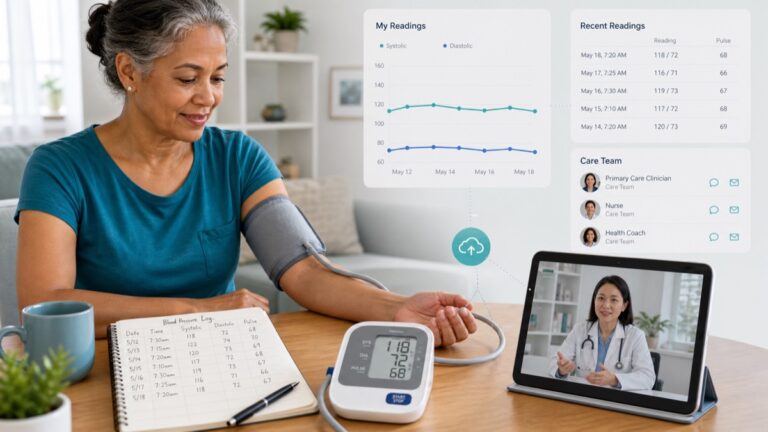
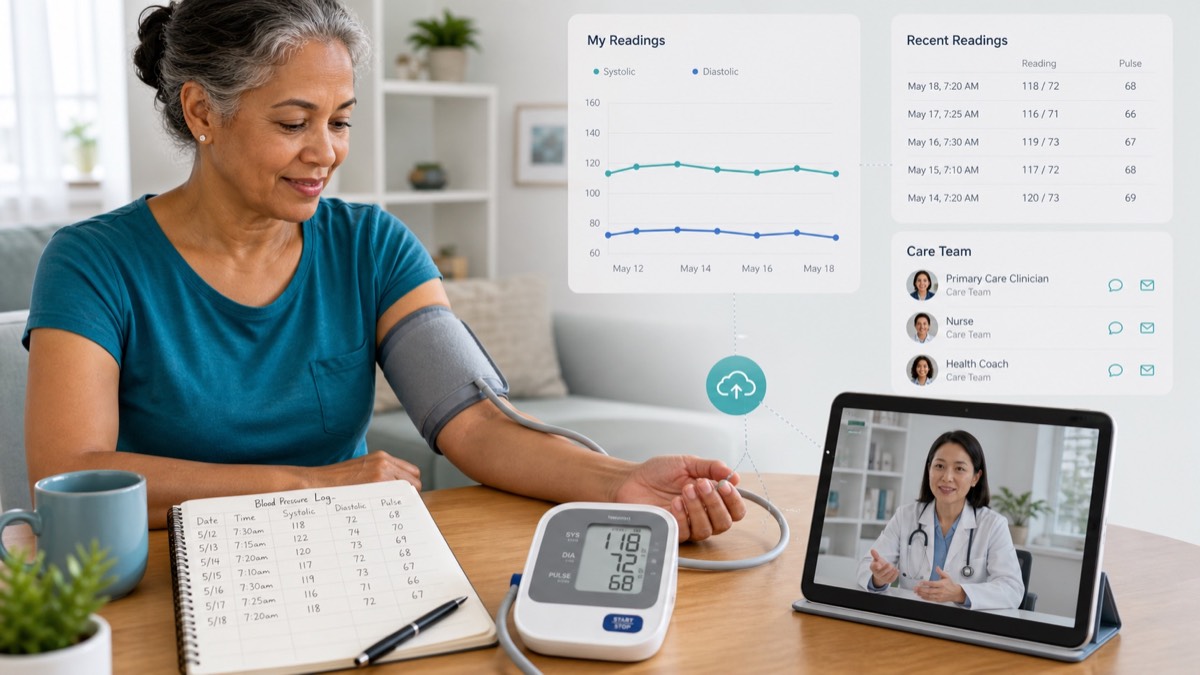
A log should be simple and visible. It can be printed, digital, or part of a portal. The patient should know exactly where to put date, time, readings, and notes.
5. Explain how readings are reviewed
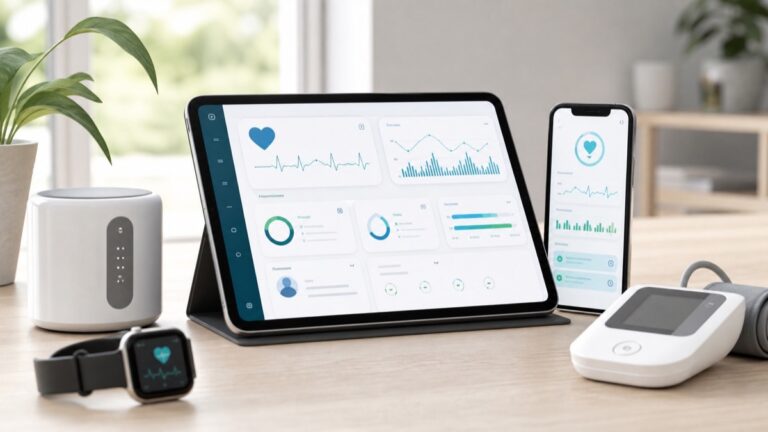
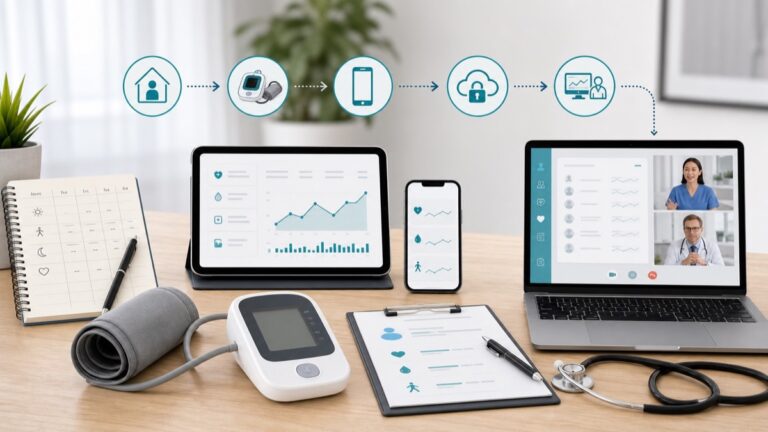
Patients should know whether readings are reviewed during visits, checked between visits, or transmitted to a team. This is where remote patient monitoring needs clear expectations.
Medtrone’s remote patient monitoring page explains the larger model for care outside the clinic.
6. Provide an action plan
A patient should never be left guessing what to do with a concerning reading. The care team should explain when to repeat a reading, when to call the office, and when urgent symptoms require immediate help.
7. Include caregivers when appropriate
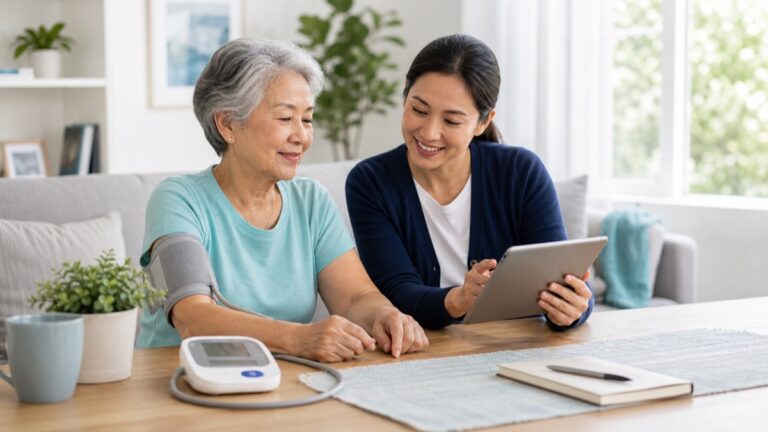
If a caregiver helps with monitoring, include them in the onboarding. They should understand their role: supporting the routine, helping record readings, and sharing concerns with the care team.
FAQ
What is the most important part of onboarding?
The measurement routine. A clear routine improves data quality and patient confidence.
Should patients bring the monitor to a visit?
Many care teams ask patients to bring their device or log. Patients should follow their clinician’s instructions.
Can onboarding be done by video?
Yes, if the patient can see the demonstration clearly and ask questions. Some patients may still need in-person support.
Should caregivers be included?
Yes, when the patient wants support or needs help with the routine.
Sources and further reading
- CDC: Measuring Your Blood Pressure
- American Heart Association: Home Blood Pressure Monitoring
- MedlinePlus: High Blood Pressure
- FDA: What Is Digital Health?
Next step
Build a one-page onboarding checklist and use the same version for every patient in the program.
Medical disclaimer: This article is for education only and is not a diagnosis, treatment plan, or substitute for care from a licensed health professional.