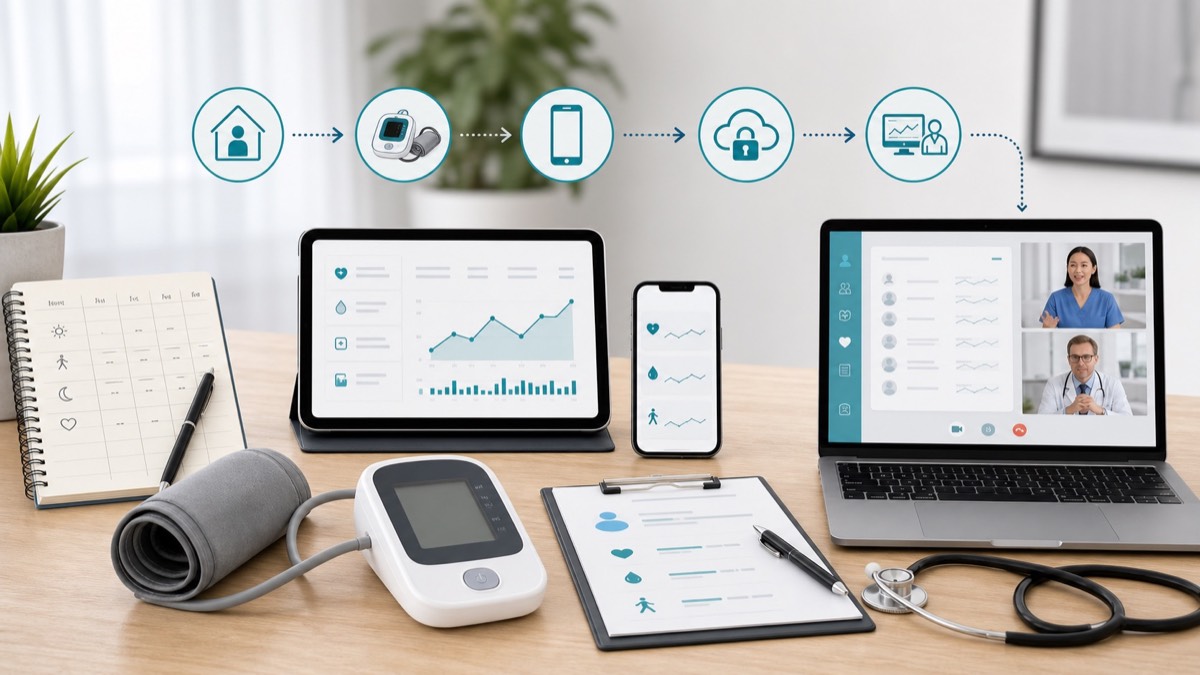
Patient-Generated Blood Pressure Data: How Home Readings Support Care Conversations
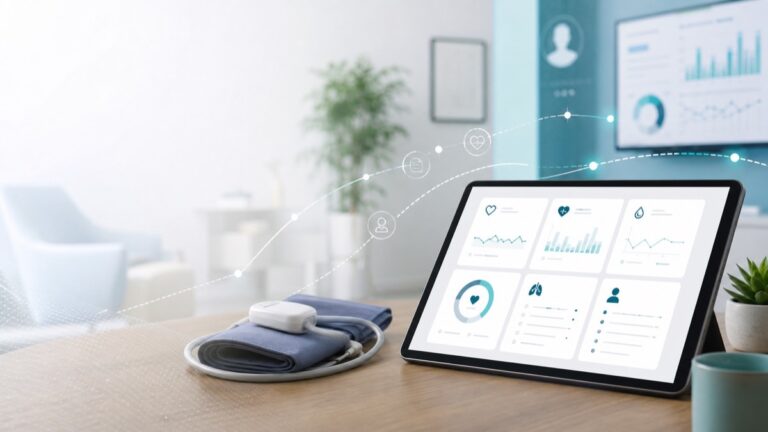
Patient-generated blood pressure data is useful when it helps a person and their care team have a clearer conversation. A single number can feel urgent, confusing, or easy to ignore. A pattern of readings, taken with good technique and reviewed in context, is much more useful.
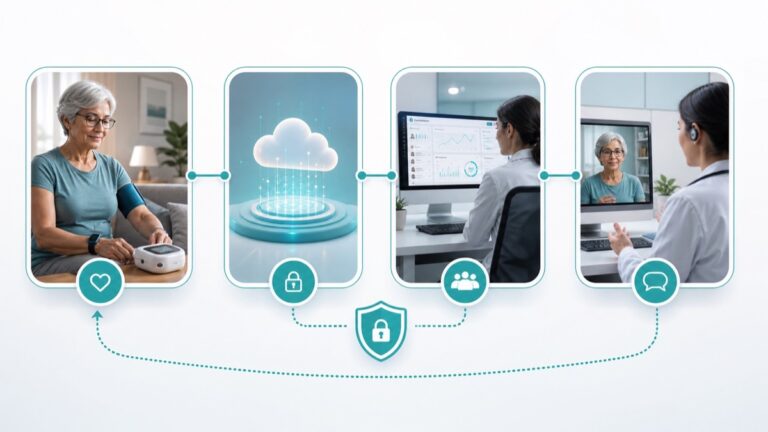
For Medtrone readers, this is the central promise of patient-generated health data: it brings everyday health information into the care conversation without asking the patient to become a clinician. The goal is not to turn people into their own diagnosticians. The goal is to give them a better way to observe, record, and share information with the professionals who guide their care.
What counts as patient-generated blood pressure data?
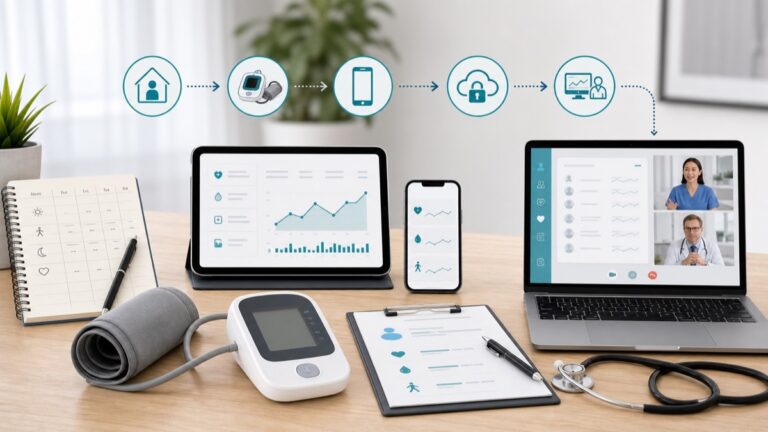
Patient-generated blood pressure data includes readings taken outside a traditional office visit. Those readings may be stored in a device memory, written in a paper log, entered into a portal, or shared through a remote monitoring platform. The format matters less than the consistency and quality of the readings.
Medtrone’s overview of patient-generated health data explains this broader category. Blood pressure is one of the clearest examples because people can measure it at home with a familiar device and bring the results into clinical discussion.
Why home readings need context
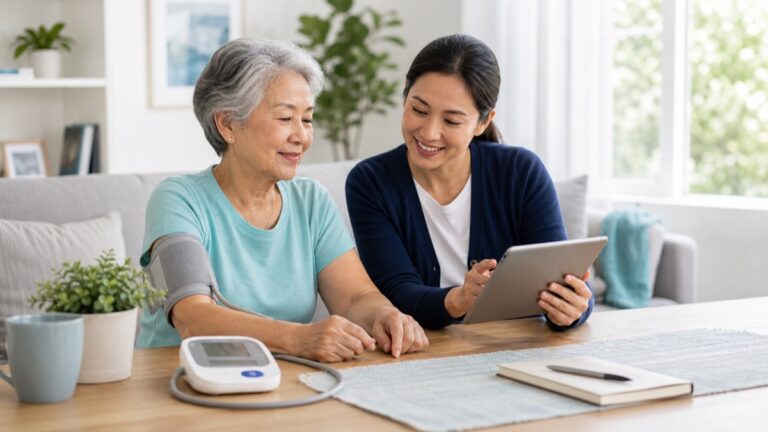
Blood pressure changes throughout the day. It can be affected by movement, stress, caffeine, alcohol, tobacco, recent exercise, a full bladder, talking during measurement, posture, and cuff placement. The CDC recommends a calm measurement routine, including sitting with the back supported, both feet flat on the floor, the arm supported at chest height, and the cuff placed on bare skin.
Without that context, data can mislead. A reading taken after rushing up stairs should not be treated the same way as a reading taken after five quiet minutes in a chair. The care team needs to know whether the patient followed a repeatable method.
What care teams can ask patients to record
A useful blood pressure log should be simple enough to keep. Most patients do not need a complicated spreadsheet. A clear log can include the date, time, systolic and diastolic readings, pulse if available, whether the reading was taken before or after medication, and any notes the clinician specifically requested.
- Date and time of reading
- Two readings taken one or two minutes apart when instructed
- Arm used and cuff placement notes if needed
- Symptoms or concerns the patient wants to discuss
- Missed readings or unusual circumstances
For patients still learning the measurement process, ZYBS Medical Group has a step-by-step guide on how to measure blood pressure correctly at home.
How this supports remote monitoring
Remote patient monitoring becomes more useful when the data has a rhythm. A care team can look for patterns, identify missing data, and decide whether a follow-up conversation is needed. Medtrone’s guide to remote patient monitoring for hypertension covers the program side of that work.
The best workflows do not overreact to every reading. They make it clear which readings are routine, which readings should be repeated, and which situations require the patient to contact a clinician or seek urgent care.
How device choice affects data conversations
A home monitor that is hard to use creates weak data. A person may skip readings, position the cuff incorrectly, or stop tracking altogether. For blood pressure, the American Heart Association recommends an automatic cuff-style upper arm monitor. That kind of device can make a monitoring routine easier to sustain.
Readers comparing home options can review ZYBS Medical Group’s guide to an accurate blood pressure monitor and the ZYBS home blood pressure monitor page.
FAQ
Can patient-generated blood pressure data replace a medical visit?
No. Home readings can support care conversations, but diagnosis and treatment decisions belong with a qualified health professional.
What makes home blood pressure data more useful?
Useful data is measured with a repeatable routine, recorded clearly, and reviewed with context such as time of day, technique, and care team instructions.
Should patients record every reading?
Patients should follow their clinician’s instructions. In many cases, a clear routine with repeated readings is more helpful than random measurements throughout the day.
What should someone do if a reading worries them?
They should follow the action plan provided by their clinician. If symptoms are severe or concerning, they should seek urgent medical help.
Sources and further reading
- CDC: Measuring Your Blood Pressure
- American Heart Association: Home Blood Pressure Monitoring
- MedlinePlus: High Blood Pressure
- FDA: What Is Digital Health?
Next step
If your organization is building a home monitoring education path, start with a simple blood pressure log and a consistent technique checklist. Then connect that log to a review workflow your team can actually maintain.
Medical disclaimer: This article is for education only and is not a diagnosis, treatment plan, or substitute for care from a licensed health professional.