Cuff Size, Technique, and Data Quality in Remote Blood Pressure Monitoring
Remote blood pressure monitoring depends on data quality, and data quality begins with cuff size and technique. A dashboard cannot fix a reading that was collected under poor conditions. A care team can only trust the pattern if the measurement routine is sound.
This is one reason patient education belongs at the center of any home monitoring program.
Why cuff fit matters
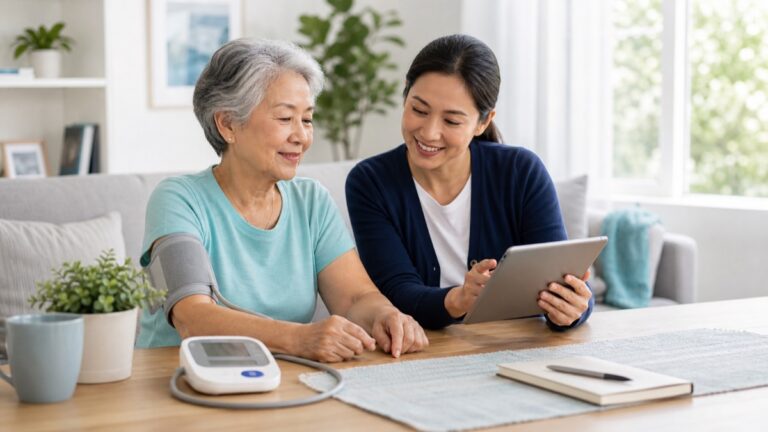
The cuff should fit the user’s arm properly and sit on bare skin. If the cuff is uncomfortable, difficult to wrap, or the wrong size, patients may avoid measuring or collect readings that are harder to interpret.
For device education, ZYBS Medical Group has a page on choosing an accurate blood pressure monitor and an overview of upper arm monitor basics.
Technique is part of the data
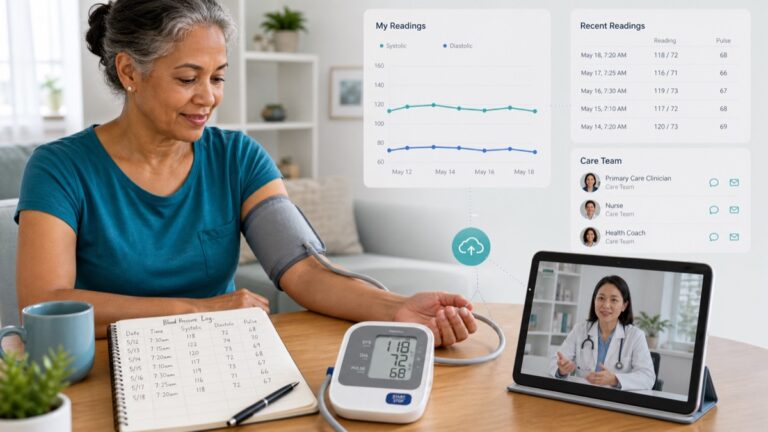
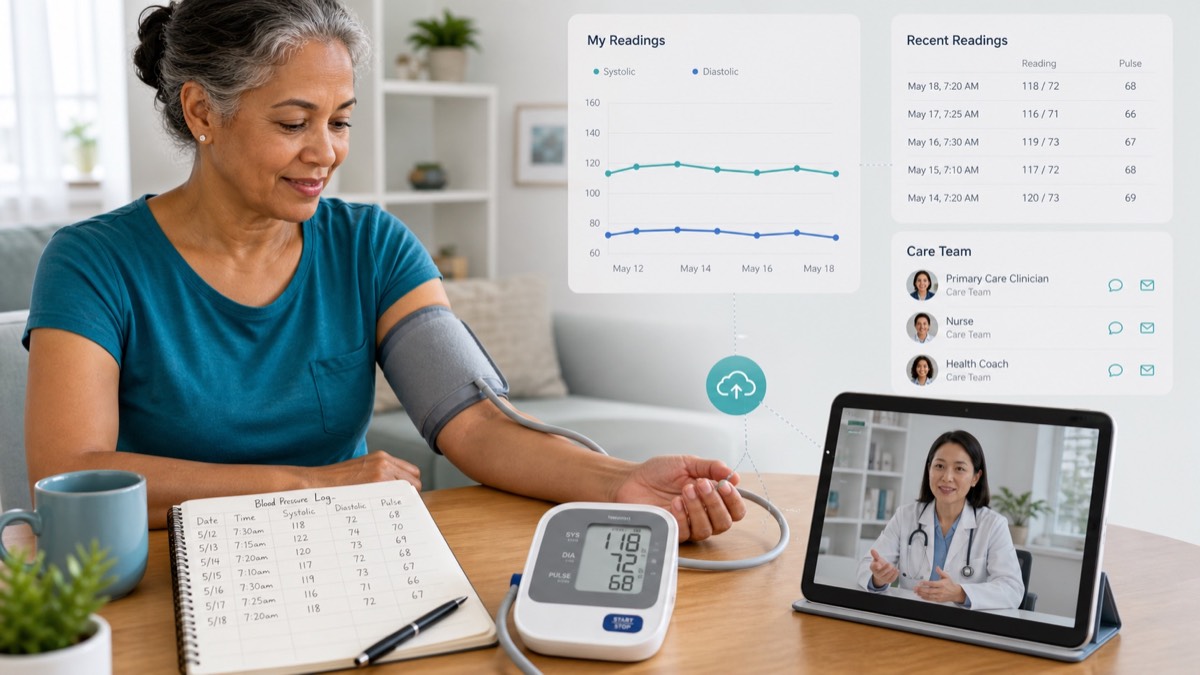
The CDC recommends sitting in a comfortable chair with the back supported, feet flat on the ground, legs uncrossed, arm supported at chest height, cuff on bare skin, and no talking during measurement. It also recommends avoiding eating or drinking shortly before measuring and emptying the bladder first.
These steps are not minor details. They help make readings more comparable over time.
Why repeatability matters
Remote monitoring programs often look for trends. Trends are more meaningful when readings are collected in a similar way each time. If one reading is taken after exercise, another while talking, and another with the arm unsupported, the pattern may be less useful.
Medtrone’s guide to patient-generated health data explains why context matters when patients collect health information at home.
How clinics can improve data quality
- Give every patient the same technique checklist.
- Confirm cuff size and placement during onboarding.
- Ask patients to record readings at consistent times when instructed.
- Provide instructions for repeating a reading.
- Review logs for missing data or inconsistent timing.
- Invite patients to ask questions before frustration builds.
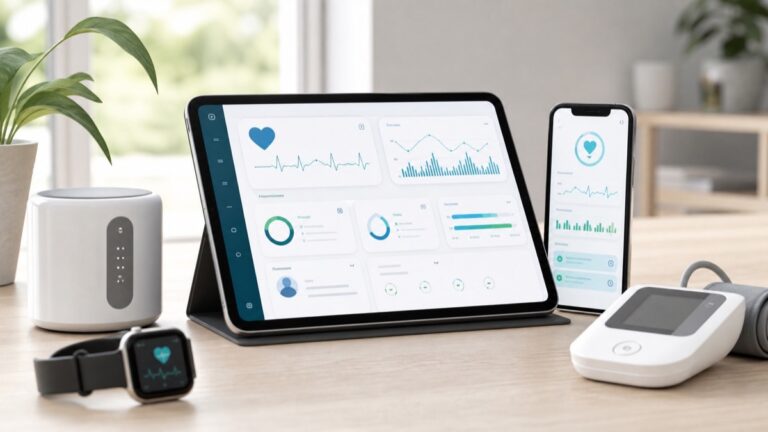
Technology should support technique
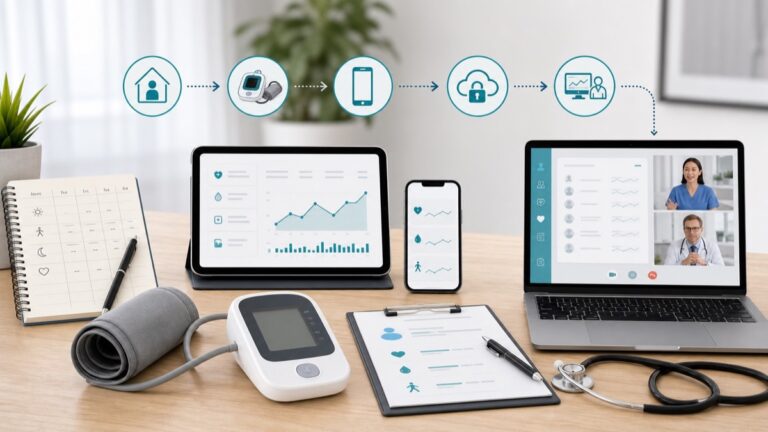
Digital reminders, device memory, and portals can help, but they should reinforce the correct routine. A program that reminds patients to measure but never teaches them how to measure is incomplete.
Medtrone’s remote patient monitoring for hypertension guide covers how workflow and device use connect.
FAQ
Can cuff size affect blood pressure readings?
Yes. Proper cuff fit is important for reading quality. Patients should use a cuff appropriate for their arm and follow device instructions.
Should the cuff go over clothing?
The CDC recommends placing the cuff against bare skin, not over clothing.
Why should the arm be supported?
Arm position can affect readings. The CDC recommends resting the arm with the cuff on a table at chest height.
Do connected devices solve technique problems?
No. They can transmit data, but patients still need proper measurement technique.
Sources and further reading
- CDC: Measuring Your Blood Pressure
- American Heart Association: Home Blood Pressure Monitoring
- MedlinePlus: High Blood Pressure
- FDA: What Is Digital Health?
Next step
Before scaling a monitoring program, standardize the measurement checklist. Better data begins before the first reading is saved.
Medical disclaimer: This article is for education only and is not a diagnosis, treatment plan, or substitute for care from a licensed health professional.