Remote Monitoring Metrics: Blood Pressure, Pulse, Weight, and Symptom Notes
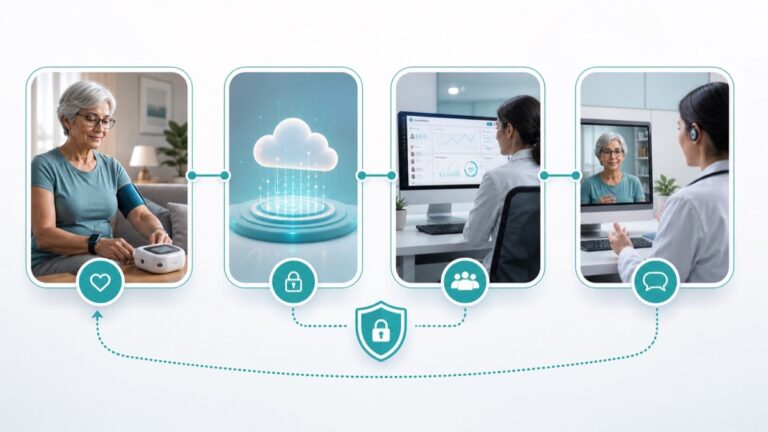
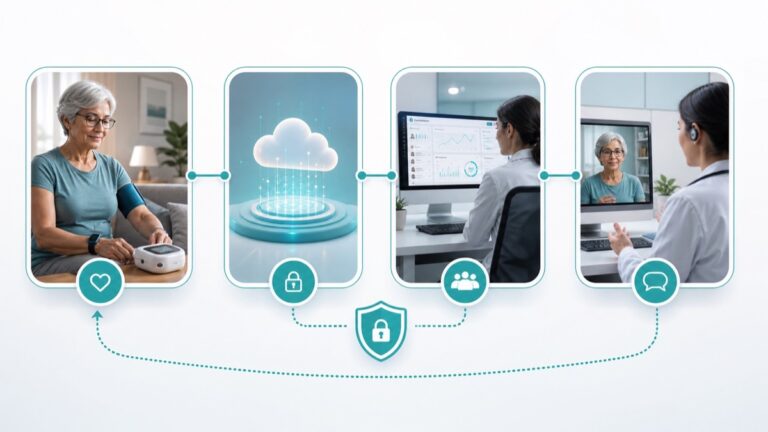
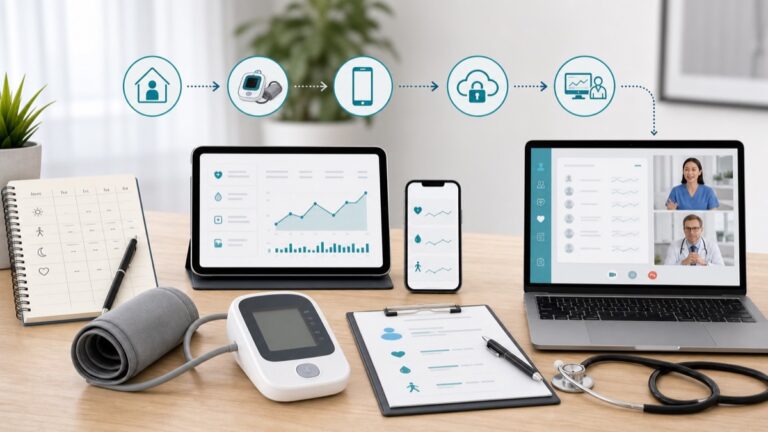
Remote monitoring programs should collect the few metrics that matter for the care plan, not every possible number. Blood pressure, pulse, weight, and symptom notes can all be useful in the right context, but each should have a reason and a review process.
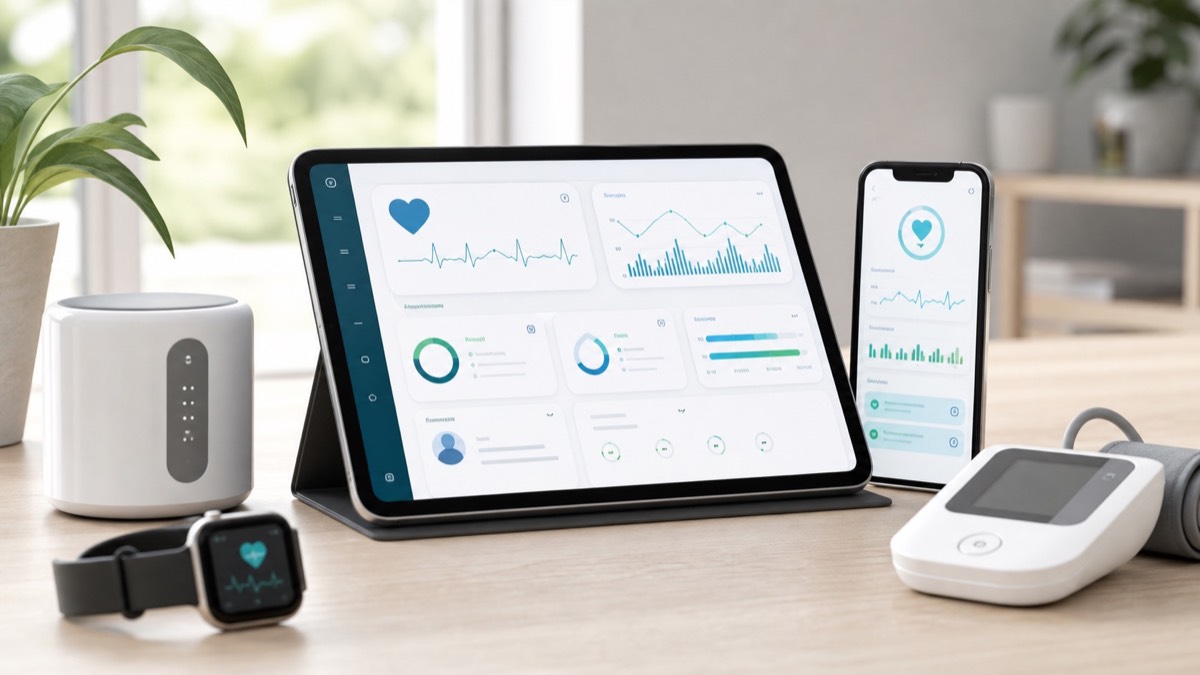
More data is not automatically better. Better organized data is better.
Blood pressure readings
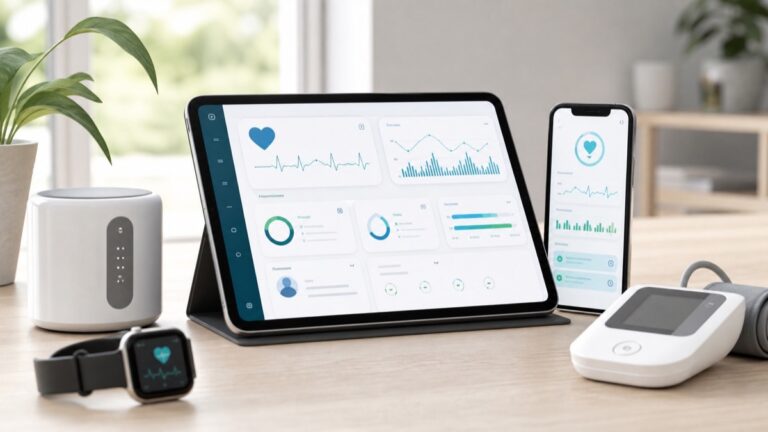
Blood pressure readings are a common home monitoring metric because they can be measured outside the clinic with a personal device. The CDC describes self-measured blood pressure monitoring as using a personal device away from a doctor’s office or hospital.
Blood pressure readings should be linked to technique, time, and care team instructions. Without that context, numbers can be hard to interpret.
Pulse readings
Many blood pressure monitors also display pulse. Pulse may be useful when the care team asks for it, but patients should not interpret pulse numbers without guidance. A log can include pulse if the clinician requests it.
Weight tracking
Some care plans include weight tracking, especially when the care team wants to observe fluid-related changes or general trends. Patients should follow clinician instructions about timing, frequency, and what to report.
Symptom notes
Symptom notes can help explain the story behind the numbers. For example, a patient may note dizziness, shortness of breath, headache, missed medication, or unusual stress only if the care team asks for that information. Notes should be brief and relevant.
Avoid data overload
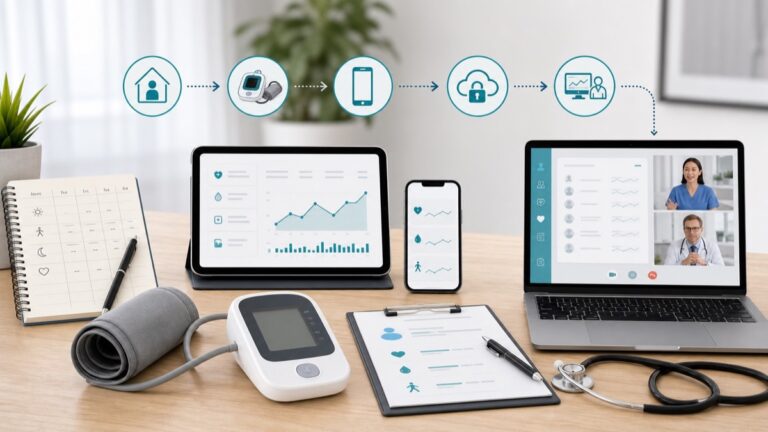
Every metric creates work for the patient and the care team. If nobody reviews a metric, ask why it is being collected. Medtrone’s digital health monitoring page explains why monitoring should be tied to a real care workflow.
How to organize metrics
- Define the metric.
- Explain why it is collected.
- Give a measurement routine.
- Decide how it is submitted.
- Assign review ownership.
- Tell patients what to do with concerns.
For blood pressure specifically, ZYBS Medical Group’s home blood pressure monitor page is relevant for readers building a simple starting routine.
FAQ
Should remote monitoring collect many metrics?
Not unless each metric has a purpose and review process. Too much data can overwhelm patients and staff.
Is pulse always required with blood pressure readings?
Not always. Patients should follow the care team’s instructions about what to record.
Can symptom notes replace a medical visit?
No. Symptom notes help communication; they do not replace clinical evaluation.
What is the best metric to start with?
The best starting metric depends on the care plan. For hypertension workflows, blood pressure is often central.
Sources and further reading
- CDC: Measuring Your Blood Pressure
- American Heart Association: Home Blood Pressure Monitoring
- MedlinePlus: High Blood Pressure
- FDA: What Is Digital Health?
Next step
Design monitoring forms around the care plan. A lean, useful log beats a crowded form that patients abandon.
Medical disclaimer: This article is for education only and is not a diagnosis, treatment plan, or substitute for care from a licensed health professional.