Privacy and Consent Basics for Patient-Generated Health Data
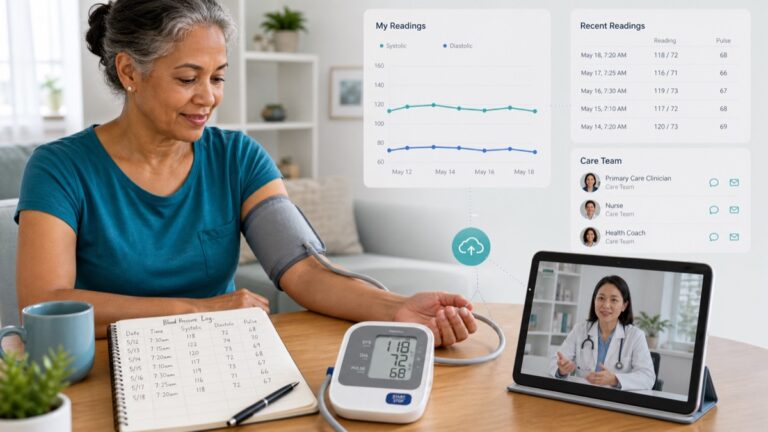
Patient-generated health data should be handled with clarity and respect. When a person shares home blood pressure readings, symptom notes, or device information, they should understand what is being shared, who can see it, and how it will be used.
This article is a practical starting point for content teams, clinics, and digital health builders. It is not legal advice. Organizations should work with qualified privacy and compliance professionals for policies and contracts.
What patient-generated health data includes
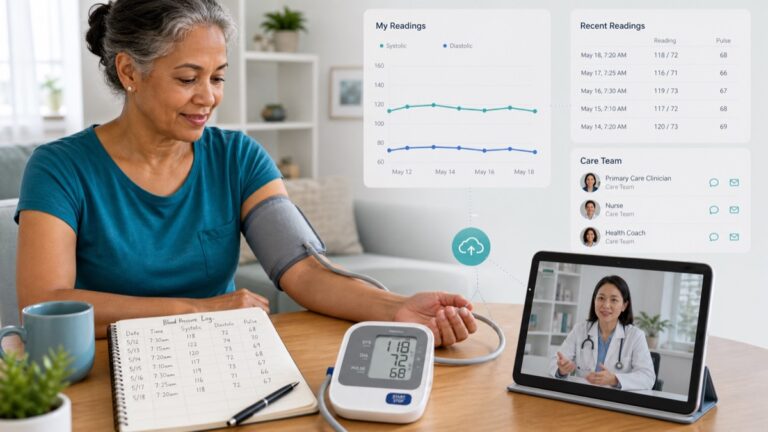
Patient-generated health data can include home blood pressure readings, pulse, weight, symptoms, device memory, app entries, and notes collected outside the clinic. Medtrone’s guide to patient-generated health data explains how this information fits into modern care.
Consent should be specific enough to understand
Patients should know whether they are simply bringing readings to a visit or sending readings through a digital tool. They should know whether caregivers are involved, whether the data becomes part of their medical record, and what kind of follow-up to expect.
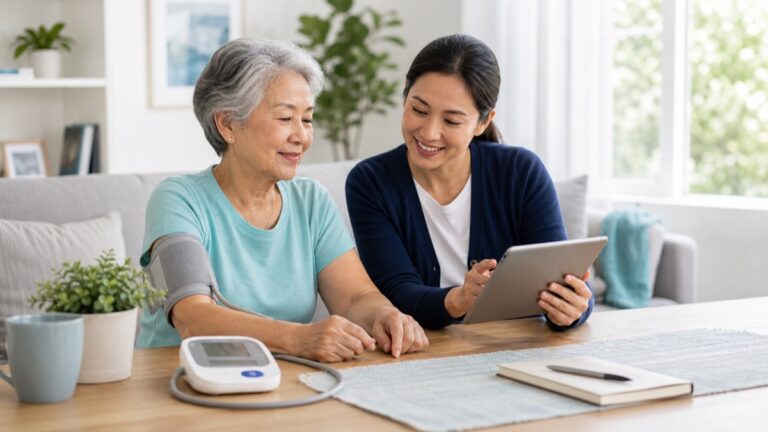
Clear consent is especially important when a caregiver, family member, employer, or third-party technology vendor is involved.
Privacy starts with workflow design
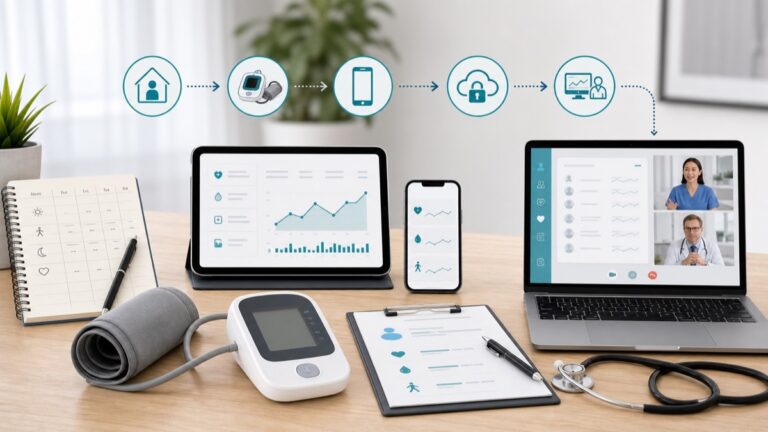
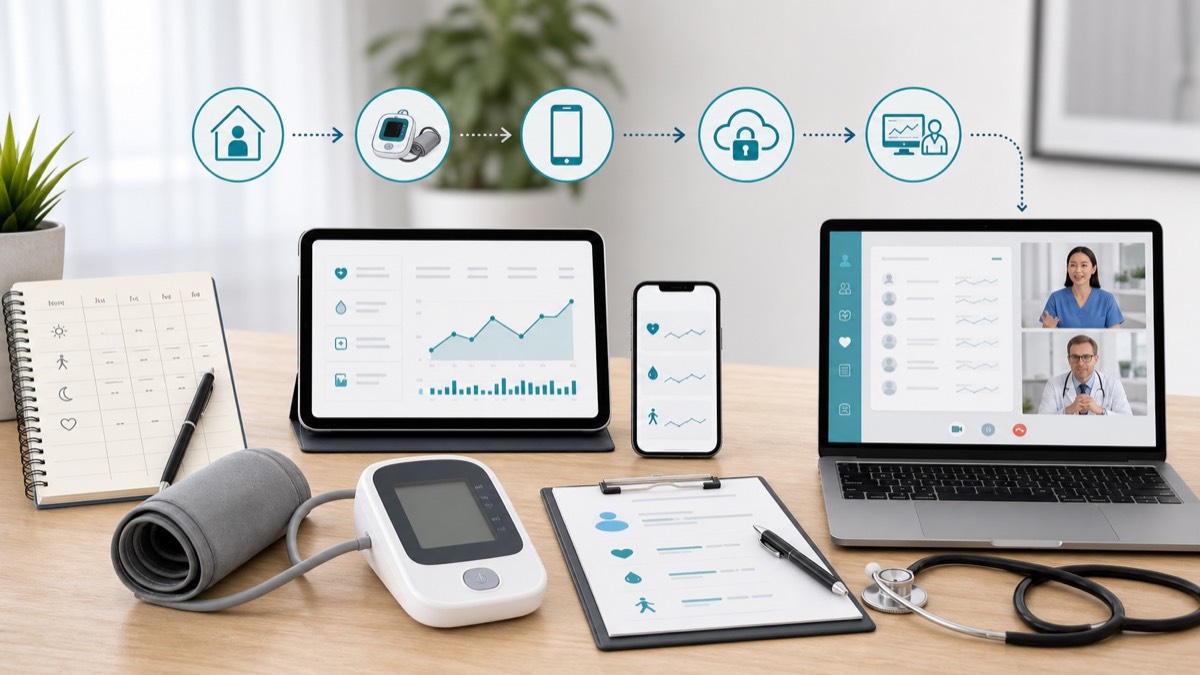
Privacy is not only a policy page. It is also the daily workflow. Who receives readings? Are they sent through a secure channel? Who has account access? Are screenshots or text messages being used? How long are readings kept?
A remote monitoring program should answer those questions before data begins moving.
Keep patient expectations realistic
If readings are not monitored in real time, say so clearly. If a care team reviews readings weekly, monthly, or only during visits, patients should know that. Confusion about review timing can create safety and trust problems.
Medtrone’s remote patient monitoring guide explains why review ownership is part of the care model.
Device and platform choices matter
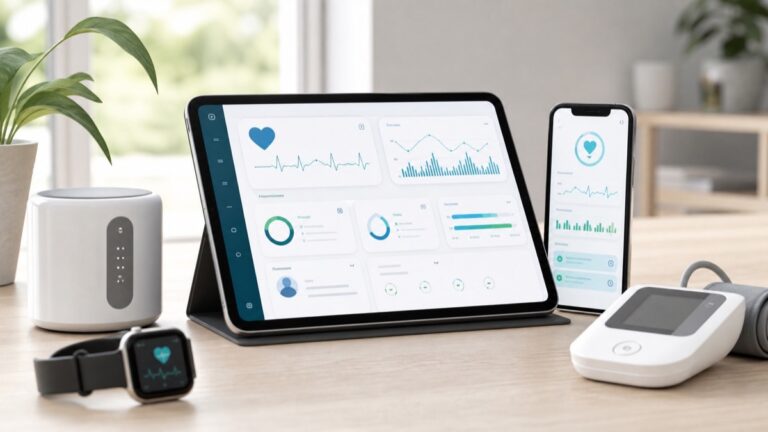
Digital health is broad. The FDA describes it as including mobile health, health IT, wearable devices, telehealth, telemedicine, and personalized medicine. Each category can involve different privacy questions. A simple home blood pressure log has different risks than an integrated app workflow.
For home blood pressure monitoring, ZYBS Medical Group’s home blood pressure monitor page is useful for readers focused on the device side rather than platform data sharing.
Practical privacy questions before launch
- What data is collected?
- Who can view it?
- How does the patient give permission?
- How can permission be changed?
- How are caregivers handled?
- How quickly is data reviewed?
- What should patients do in urgent situations?
FAQ
Is patient-generated health data always part of the medical record?
Not always. It depends on the organization, workflow, and how the data is submitted and used.
Can caregivers access monitoring data?
They may be able to when the patient authorizes it and the care workflow supports it. Organizations should handle caregiver access carefully.
Should patients use text messages to send readings?
Patients should use the communication method their care team recommends. Organizations should consider privacy and security before accepting health data through informal channels.
Is this article legal advice?
No. It is educational. Organizations should consult qualified privacy and compliance professionals.
Sources and further reading
- CDC: Measuring Your Blood Pressure
- American Heart Association: Home Blood Pressure Monitoring
- MedlinePlus: High Blood Pressure
- FDA: What Is Digital Health?
Next step
Before collecting home health readings, write a plain-language explanation of what is collected, who reviews it, and what patients should do with urgent concerns.
Medical disclaimer: This article is for education only and is not a diagnosis, treatment plan, or substitute for care from a licensed health professional.