What Clinics Need Before Launching a Hypertension RPM Program
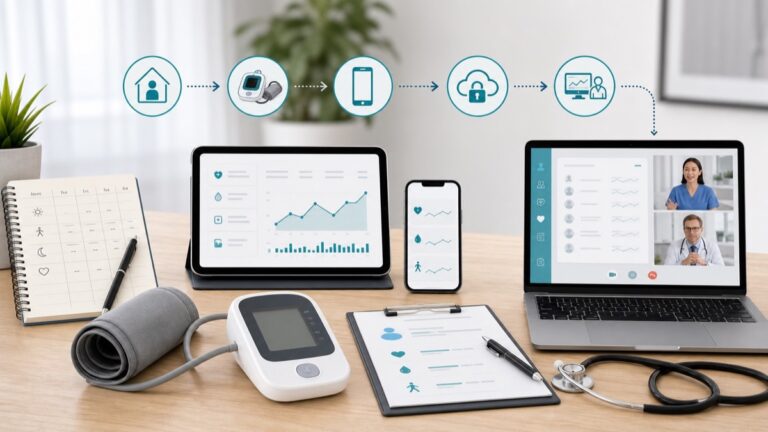
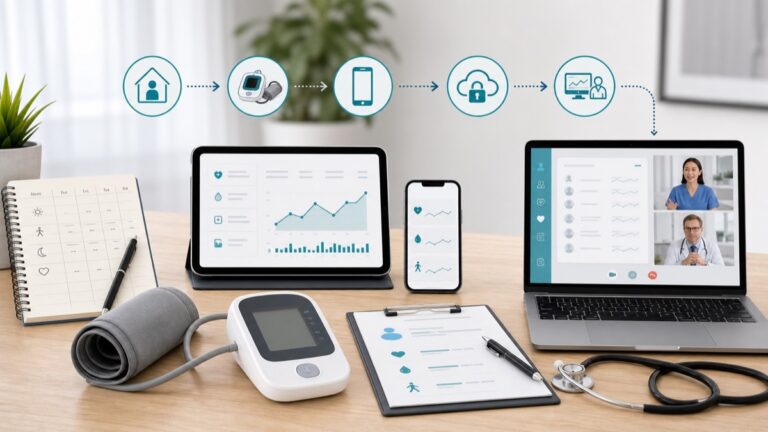
A hypertension remote patient monitoring program should not begin with software alone. It should begin with a clear operating model: the patient population, device approach, data flow, staff ownership, review process, and patient education plan.
Without those basics, even good technology can create noise. With them, a clinic can use home blood pressure readings more responsibly and consistently.
Define the purpose first
Start with the reason for the program. Is the clinic trying to improve follow-up between visits? Help patients keep a clearer log? Support care teams with more context? Build a future digital health service line? The purpose determines the workflow.
Medtrone’s remote patient monitoring pillar page gives the broader strategic frame.
Build the patient education layer
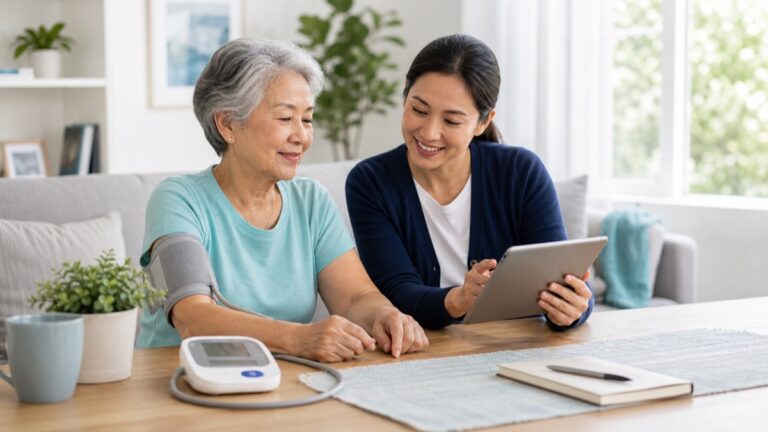
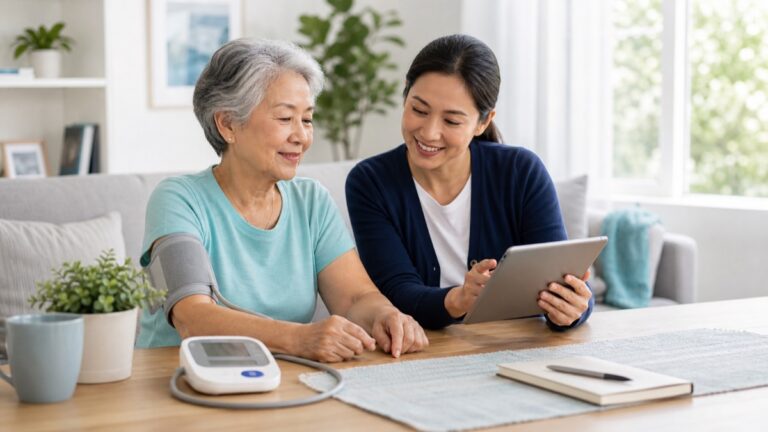
Patients need plain instructions. They should know when to measure, how to sit, how to place the cuff, how many readings to take, and how to submit the data. The CDC emphasizes technique details such as sitting quietly, keeping feet flat, placing the cuff on bare skin, and not talking during measurement.
Education should also explain what the program is not. It is not a promise that every reading will be reviewed instantly unless the clinic specifically offers that model.
Create a device standard
Clinics should decide whether patients can use their own monitors or whether the program recommends a specific device type. Either way, the device standard should consider cuff fit, readability, memory, and ease of use.
Because home users often compare options online, educational links can help. ZYBS Medical Group has pages on accurate blood pressure monitor selection and upper arm blood pressure monitor basics.
Assign staff roles
A program needs named responsibility. Who enrolls the patient? Who trains them? Who checks for missing readings? Who reviews patterns? Who contacts the patient? Who documents the outcome?
The staff model may be small at first. That is fine. A focused pilot with clear ownership is better than a broad rollout with vague responsibilities.
Plan for exceptions
Every program needs a plan for common exceptions. Patients may forget readings, use the cuff incorrectly, lose the log, send incomplete messages, or feel anxious about a number. The workflow should anticipate these situations and give staff scripts that are calm and consistent.
Track whether the program is usable
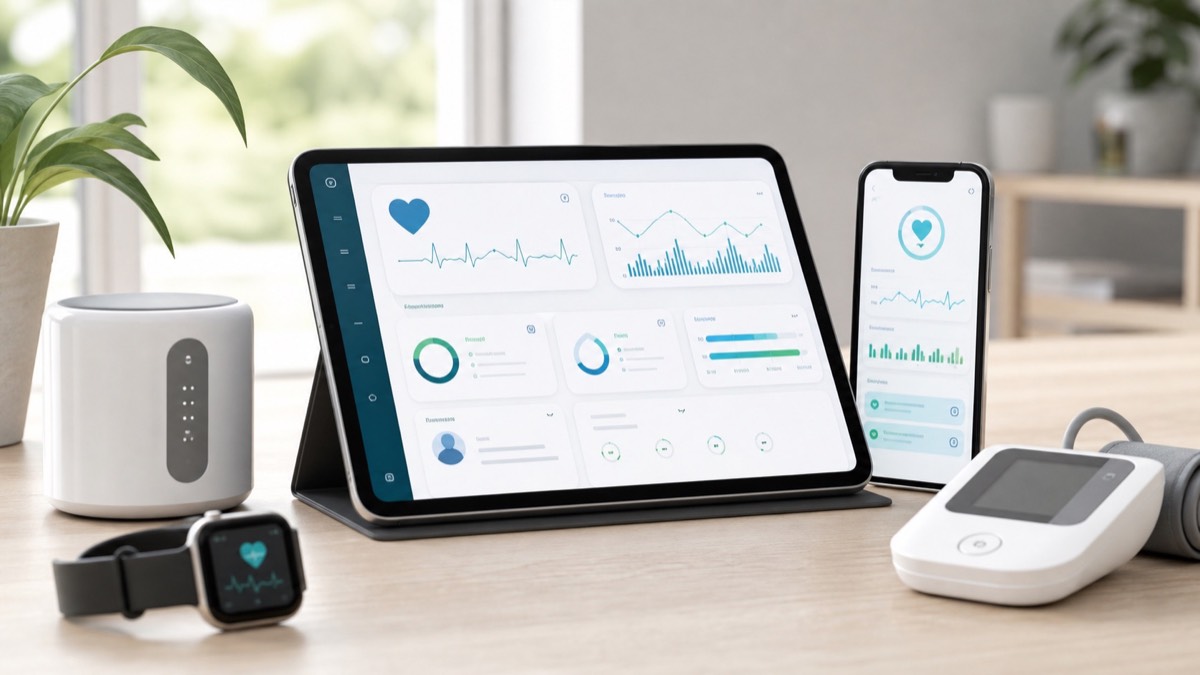
Early metrics should not only ask whether readings are collected. They should ask whether patients understand the process, whether staff can keep up, and whether clinicians find the data useful. Digital health monitoring is successful when it supports care rather than adding clutter.
Medtrone’s digital health monitoring guide covers this usability-first mindset.
FAQ
Should a clinic launch with every eligible patient at once?
A pilot is often easier to manage. It allows the team to refine instructions, review workflows, and staff roles before expanding.
What is the first document a clinic should create?
A one-page patient measurement guide is a strong starting point because it improves data quality from the beginning.
Do RPM programs require connected devices?
Not always. Some programs start with device memory or logs, then expand toward connected workflows later.
Who should interpret home blood pressure readings?
A qualified health professional should interpret readings within the patient’s care context.
Sources and further reading
- CDC: Measuring Your Blood Pressure
- American Heart Association: Home Blood Pressure Monitoring
- MedlinePlus: High Blood Pressure
- FDA: What Is Digital Health?
Next step
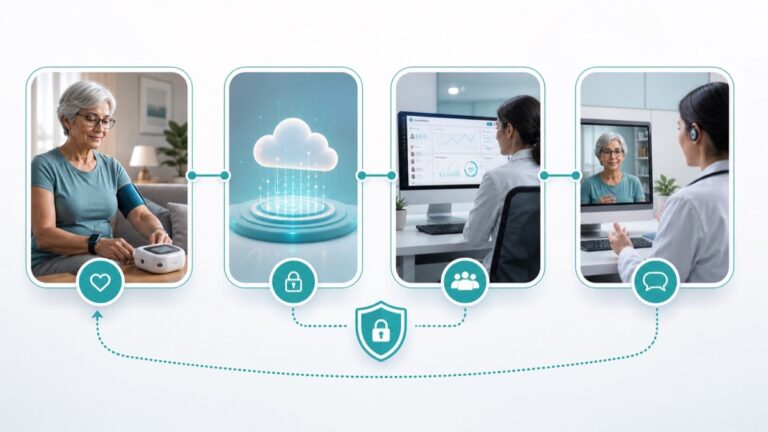
Before buying platforms, map the patient journey from enrollment to reading review. The workflow will show what technology is actually needed.
Medical disclaimer: This article is for education only and is not a diagnosis, treatment plan, or substitute for care from a licensed health professional.