Blood Pressure Logs, Device Memory, and Care Team Review
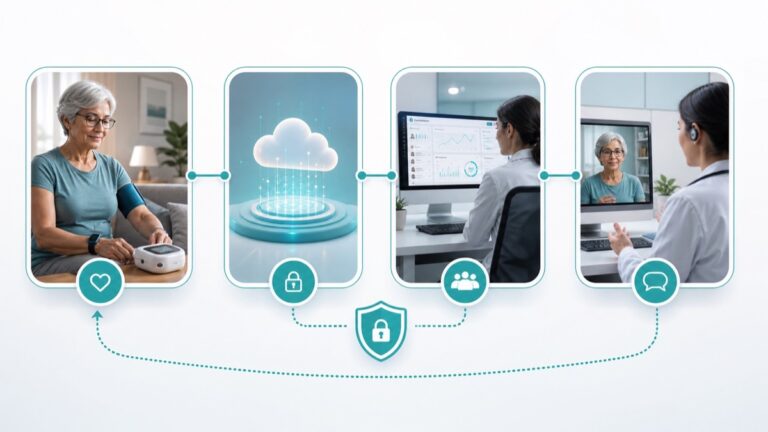
A blood pressure log is more than a record of numbers. When it is kept clearly, it becomes a bridge between the home and the care team. Device memory can help too, especially when a patient forgets to write down a reading or needs to show a recent pattern.
The best review process uses both structure and context. It gives the care team enough information to understand the readings without overwhelming the patient.
Why logs still matter
Even in digital health, a simple log remains useful. It can travel to appointments, support virtual visits, and help caregivers organize information. The CDC recommends using a blood pressure log when measuring at home.
A log also makes the routine visible. If readings are missing, taken at different times, or measured under unusual circumstances, the log can show that.
What to include in a useful log
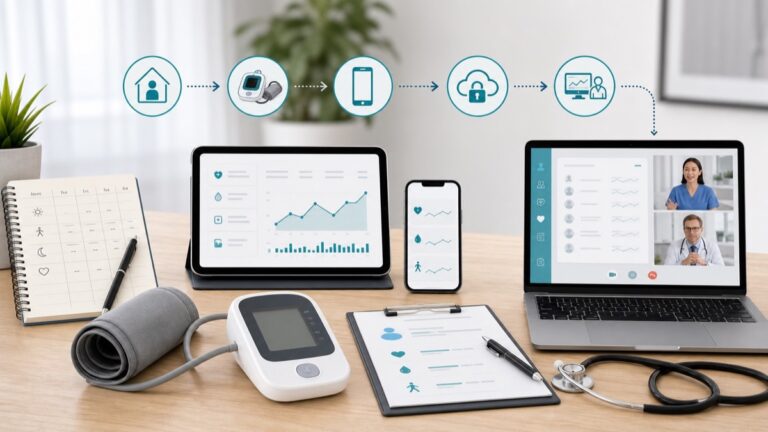
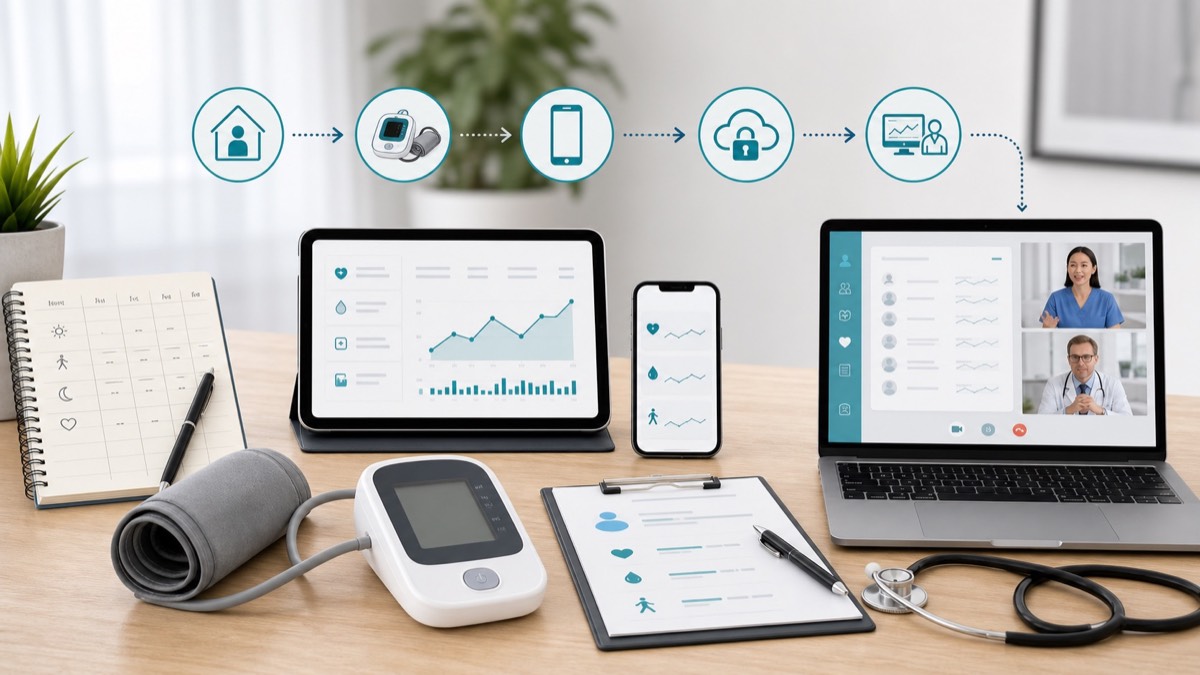
A blood pressure log should be simple. It can include the date, time, systolic and diastolic readings, pulse if available, and notes requested by the clinician. Some people may also mark whether the reading was the first or second reading in a pair.
- Date
- Time
- Reading one
- Reading two if instructed
- Pulse if available
- Brief context notes requested by the care team
Patients who need a measurement refresher can use ZYBS Medical Group’s guide on how to measure blood pressure correctly at home.
Where device memory helps
Device memory can reduce missed documentation. It can also help a caregiver or clinician confirm recent readings. However, device memory is most useful when the user understands how to access it and when readings are tied to dates and times.
ZYBS Medical Group’s product features page is relevant for readers comparing practical monitor functions.
How care teams should review readings
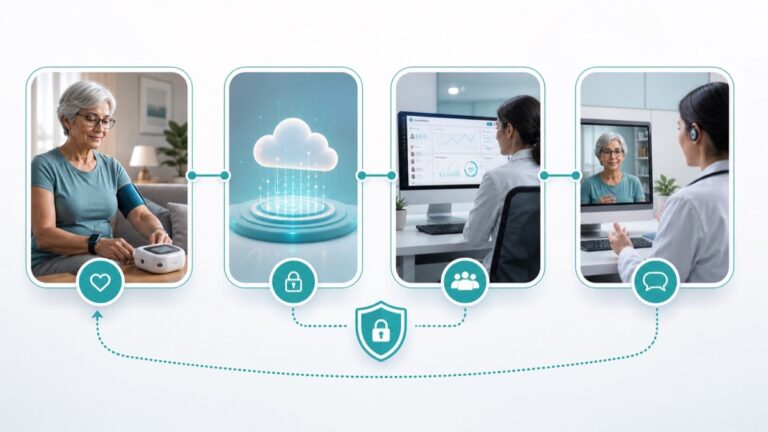
Care team review should be planned. The team should decide whether readings are reviewed during visits, weekly, through a portal, or through a remote monitoring workflow. Unplanned data streams can create confusion.
Medtrone’s guide to remote patient monitoring for hypertension explains how structured review helps turn home measurements into care conversations.
Look for patterns, not panic
One reading may be affected by technique or circumstances. A pattern, measured consistently, is more useful. Patients should not change treatment based on readings unless instructed by a clinician. Instead, readings should be shared according to the care plan.
FAQ
Is a paper blood pressure log outdated?
No. Paper logs can still be useful, especially for patients who prefer simple tools or do not use apps comfortably.
Is device memory better than a written log?
Device memory and written logs serve different purposes. Memory can confirm readings, while logs can add context and make review easier.
How often should logs be reviewed?
The review schedule should be set by the care team based on the patient’s care plan.
Should patients average their own readings?
Patients should follow clinician instructions. Some care teams may ask for averages, while others prefer raw readings.
Sources and further reading
- CDC: Measuring Your Blood Pressure
- American Heart Association: Home Blood Pressure Monitoring
- MedlinePlus: High Blood Pressure
- FDA: What Is Digital Health?
Next step
Use a log format that patients can maintain for weeks, not just one that looks good for a day.
Medical disclaimer: This article is for education only and is not a diagnosis, treatment plan, or substitute for care from a licensed health professional.